
What is Cavity Wall Insulation?
A cavity wall consists of two layers of brick with a space between them. Cavity wall insulation (CWI) involves inserting insulation into this space, using various materials like foam, beads, or mineral wool depending on the cavity type.
No need to stress about choosing the right insulation—our team will arrange a survey to assess your property’s suitability for government cavity wall insulation. This includes determining if removal of old insulation is necessary in certain cases and selecting the most suitable insulation material.
Many homes built between 1924 and 1982 likely lack cavity wall insulation. If your home falls within this range, you might qualify for completely free cavity insulation with no expense to you!
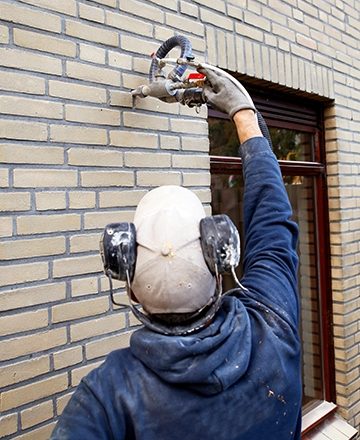
How does Cavity Wall Insulation reduce heat loss?
Cavity wall insulation functions by minimizing heat loss from walls. By blowing insulation material between the bricks, it enhances the wall’s thermal efficiency, reducing heat transfer to the exterior.
Filling cavity walls with fiberglass insulation decreases air circulation, leading to significantly improved temperatures compared to uninsulated walls.
Quality insulation enhances your home’s resilience against drafts, decreases heating energy consumption, and lowers your carbon footprint.
Advantages of Cavity Wall Insulation implemented via the Energy Company Obligation (ECO scheme):
FULLY FUNDED
The expenses for insulation measures can be entirely covered by government funding allocated for cavity wall insulations, resulting in cost savings.
SAVE MONEY
A home without insulation loses approximately one-third of its heat through its walls. Properly insulating cavity walls through an approved installer can help save energy and reduce heating expenses.
WARMER HOME
Free insulation helps reduce heat loss caused by empty cavity walls, enabling you to maintain heat for an extended period.
SAVE MONEY
A home without insulation loses approximately one-third of its heat through its walls. Properly insulating cavity walls through an approved installer can help save energy and reduce heating expenses.
NO MAINTENANCE
Thorough pre-installation assessments and effective installation procedures can effectively prevent most issues related to cavity walls.
REDUCE FOUNDATION WEIGHT
Due to their reduced thickness, cavity walls alleviate the weight exerted on the foundation.
Is my House suitable for Free Cavity Wall Insulation?
There is a chance that cavity wall insulations won’t be suitable for your home, but here’s how you can tell if your home is suitable:
- The external walls are unfilled cavity walls.
- It has at least a 5cm wide cavity.
- It was built before 1982 and in some cases 2005.
- Your home is capable of heating efficiency in the long run.
- Your property’s brickwork, outer wall or masonry is in good condition.
- There is little risk of your house flooding.
- The walls are not exposed to too much driving rain or extreme weather.
- It is still possible to have it installed even if adjoining properties don’t.
After 1982, building regulations mandated insulation in newly constructed houses, yet some properties remained without it. Those built after 1982 but before 2005, lacking cavity insulation, could qualify for free government-funded insulation.
Additionally, certain homes may require the removal of cavity wall insulation. This extraction becomes necessary when incorrect insulation of cavity walls leads to moisture-related issues.
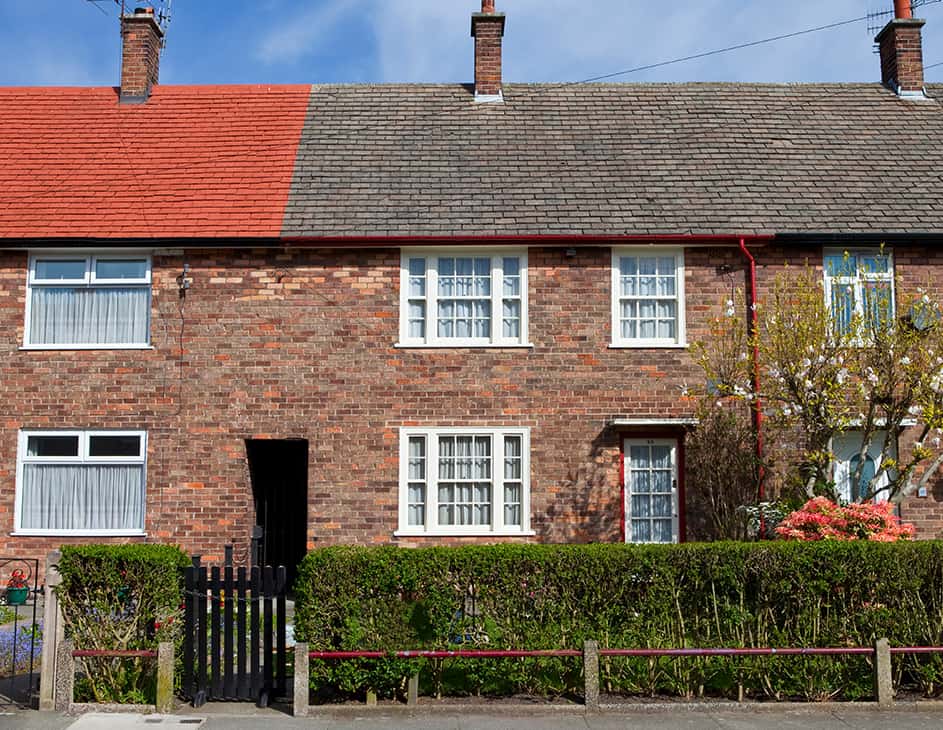
Can Location Impact Getting my Free Cavity Wall Insulation Grants?
Cavity wall insulation significantly enhances home energy efficiency, cutting down heating bills. However, eligibility for free insulation can be influenced by your home’s location, particularly in areas heavily exposed to wind-driven rain, notably in the western regions of England, Wales, and Scotland.
Nevertheless, alternative wall insulation options exist to boost energy efficiency, such as internal solid wall, internal wall, or external wall insulation, along with complimentary loft insulation.
Greenera Energy facilitates access to free insulation for various areas like loft, cavity wall, room in roof, and solid wall, among others. While assistance with internal wall insulation may be available in specific cases, it’s contingent on individual circumstances.